从暗黑破坏神酱到热蜂蜜蘸酱:开启 2025 年甜辣趋势

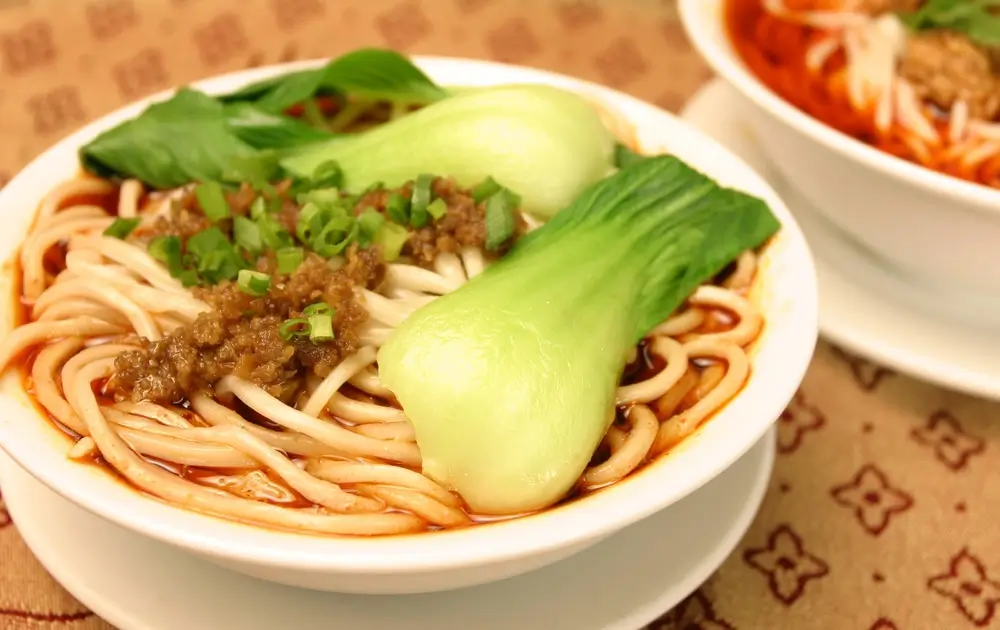
一碗用红色甜辣酱拌制的重庆小面,配以葱花和芝麻。.

In 2025, the culinary world continues to embrace the irresistible “sweet-meets-spicy” phenomenon. From Taco Bell’s Mike’s Hot Honey Diablo Sauce to Cedar’s Mediterranean Hot Honey Dip, chefs and home cooks alike are layering sugar and heat to craft multidimensional flavor experiences. Yet this trend is far from new—centuries ago, Chinese cuisine pioneered sauces and dishes that marry sweetness with spice, long before “hot honey” became a viral sensation.

As a leading provider of Chinese seasonings, Ruikelai food ingredients, and savory 风味解决方案, Qingdao Ruikelai Food Ingredients Co., Ltd. understands the backbone of every great sweet-spicy creation: the right balance of heat, sweetness, and depth. In this in-depth exploration, we’ll trace the evolution of sweet-spicy profiles from Western condiments back to their Chinese roots, spotlight the iconic sweet-spicy noodles of Chongqing, and uncover a spectrum of Chinese dishes that continue to inspire global palates.


1. The Sweet-Spicy Renaissance: A Global Phenomenon

1.1 Western Innovations: Diablo Sauce & Hot Honey Dip

  • Mike’s Hot Honey Diablo Sauce blends the sugar-forward warmth of Mike’s Hot Honey with smoky, cayenne-infused Diablo flavor. Its “sweet then heat” progression has fueled new menu items—spicy chicken sandwiches, glazed wings, and more.
  • Cedar’s Hot Honey Dip pairs creamy cheese with the same honey-chili duo, bringing sweet-spicy into the appetizer realm.

These products exemplify the modern fascination with layered tastes, but the building blocks—honey for sweetness, chili for heat—have long been tradition in Asian kitchens.

1.2 Why Sweet and Spicy Sells

  • Sensory Contrast: Sweetness tempers the burn of capsaicin, making spicy food more approachable.
  • Textural Dynamics: Glazes and dips slick with honey adhere to proteins and vegetables, ensuring each bite delivers balanced heat.
  • Emotional Appeal: Sweet-spicy dishes evoke comfort and excitement simultaneously, catering to adventurous eaters.

2. Sweet-Spicy Heritage in Chinese Cuisine

Long before Western fast-food chains leaned into hot honey, Chinese cooks mastered sweet-spicy through sauces, marinades, and noodle bowls.

2.1 Chongqing Sweet-Spicy Noodles (重庆甜辣面)

A vibrant bowl of Chongqing noodles coated in glossy red Sweet-Spicy Sauce, topped with sliced scallions and drizzled with Hot Honey Diablo Sauce.
  • Origins & Characteristics
    • Born in the mountainous city of Chongqing, these noodles incorporate local chili oil, Sichuan peppercorns, sugar, garlic, and a touch of black vinegar.
    • The result is a glossy, scarlet-tinged bowl in which chewy wheat noodles soak up sweet, numbing, and spicy notes.
  • Preparation Elements
    • Chili Oil Base: Rendered with Chinese seasonings like star anise, cinnamon, and Sichuan pepper—imparting both heat and aroma.
    • Sweetener: A measured addition of rock sugar or honey highlights the fiery oils.
    • Aromatic Punch: Fresh garlic, scallion, and pickled mustard greens add textural contrast.

2.2 Shanxi Liangpi (陕西凉皮) with Sweet-Spicy Sauce

  • Cold “skin” noodles made from wheat or rice flour, dressed in a vibrant sauce of chili paste, sesame paste, vinegar, sugar, and garlic. The interplay of sweet vinegar and chile heat makes this street-food favorite endlessly refreshing.

2.3 Sichuan Dan Dan Noodles (担担面)

A steaming bowl of Dan Dan noodles in rich Sweet-Spicy Sauce, crowned with minced pork, crushed peanuts, and a ribbon of Hot Honey Diablo Sauce.
  • A classic that layers ground beef seasoned with fermented bean paste (doubanjiang), chili oil, toasted sesame oil, and a hint of sugar. Each element—spice, umami, sweetness—works in concert to coat the thin noodles.

3. Expanding the Sweet-Spicy Palette: Beyond Noodles

While noodles are the poster child for Chinese sweet-spicy cuisine, numerous dishes showcase this flavor marriage:

3.1 Kung Pao Chicken (宫保鸡丁)

  • Diced chicken stir-fried with peanuts, dried chilies, and a sauce of soy, vinegar, sugar, and ginger. Its signature balance of sweet, tangy, and spicy notes has made it a global ambassador of Chinese food.

3.2 Sweet and Spicy Pork Ribs (糖醋排骨加辣版)

  • The classic cantonese-style sweet and sour ribs (tangcu paigu) gets an extra kick by tossing in chili flakes or fresh chilies, transforming the dish into a lip-tingling sensation while preserving its caramelized sweetness.

3.3 Mapo Tofu (麻婆豆腐) with Honey Drizzle

  • While traditionally known for its numbing heat from Sichuan peppercorns and broad bean paste, some modern chefs finish the dish with a tiny honey drizzle, softening the spice edge for mainstream diners.

3.4 Spicy Sweet Lotus Root (香辣糖藕片)

  • Thin slices of lotus root are stir-fried or quick-pickled in a syrupy, chile-laced brine, producing a crunchy snack that balances sweet and piquant flavors.

3.5 Sweet-Spicy Mala Hot Pot (香辣麻辣火锅)

  • The beloved communal hot pot broth is built on beef tallow, doubanjiang, dried chilies, and copious Sichuan pepper—finished with a spoonful of sugar or caramel to round out the heat.

Below is a comparative table of sweet-and-spicy sauces and dishes:

名称Origin/StyleKey IngredientsSweet ComponentSpicy ComponentTypical Use
Mike’s Hot Honey Diablo SauceAmerican FusionHoney, cayenne, chipotle, vinegarMike’s Hot HoneyCayenne & chipotleGlazes, wings, sandwiches
Cedar’s Mediterranean Hot Honey DipMediterranean-inspiredHoney, cream cheese, garlic, chili flakesHoneyChili flakesDipping cheese, crudité, flatbreads
Chongqing Sweet-Spicy Noodles (面)Chongqing, ChinaWheat noodles, chili oil, rock sugar, Sichuan peppercornsRock sugar (or honey)Chili oil, Sichuan peppercornsStreet-style noodle bowls
Kung Pao Chicken (宫保鸡丁)Sichuan, ChinaChicken, peanuts, soy, vinegar, sugar, dried chiliesSugarDried chilies, Sichuan peppercornsStir-fried entrée with rice or noodles
Sweet & Spicy Pork Ribs (糖醋排骨辣版)Cantonese-influencedPork ribs, vinegar, sugar, soy, fresh chiliesCane sugar or honeyFresh chiliesAppetizer or main, often with steamed rice
Mapo Tofu with Honey Drizzle (麻婆豆腐)Sichuan-modernTofu, doubanjiang, peppercorns, sesame oil, honey drizzleHoney drizzleDoubanjiang (fermented chili bean paste)Main course, served with rice
Spicy Sweet Mala Hot Pot (麻辣火锅)Sichuan, ChinaChili oil, doubanjiang, Sichuan pepper, sugarSpoonful of sugar/caramelDried chilies, Sichuan peppercornsCommunal hot pot broth
Powdered Hot Honey SimulationIndustrial SeasoningMaltodextrin-encapsulated chili extract, dehydrated honeyDehydrated honey solidsEncapsulated chili extractSnack coatings, seasoning sachets

4. Crafting Sweet-Spicy Profiles with Ruikelai Food Ingredients

At Qingdao Ruikelai, we harness 25 years of experience in flavor production to formulate Chinese seasonings and Ruikelai food ingredients that empower chefs to achieve consistent sweet-spicy masterpieces:

4.1 Signature Sweet-Spicy Seasoning Blend

  • Components:
    • Premium Sichuan peppers for numbing warmth
    • Paprika oleoresin and natural red yeast rice for color
    • Rock sugar crystals for controlled sweetness
    • Garlic and onion powders for depth
  • 应用: Perfect as a dry rub for proteins, a finishing sprinkle on noodles, or blended into dipping sauces.

4.2 Liquid Sweet-Spicy Marinade Base

  • Designed for large-scale meat processing plants and central kitchens, this concentrate mixes easily with oil and water. Chefs simply add 5–10% to protein marinades to impart a harmonious sweet-heat core.

4.3 Powdered Hot Honey Simulation

  • For applications where liquid honey is impractical (snack coatings, seasoning sachets), our powder uses maltodextrin-encapsulated chili extract and dehydrated honey solids, delivering fast-dissolving sweetness and heat.

5. Technical Considerations for Sweet-Spicy Formulations

Creating successful sweet-spicy products requires mastery over ingredient interactions:

5.1 Balancing Heat Intensity

  • Capsaicinoid Calibration: We blend chili varieties—from mild paprika to fierce ghost pepper—to target specific Scoville heat units (SHU).
  • Numbing Agents: Controlled inclusion of Sichuan peppercorn extract introduces the sultry “mala” sensation without overpowering.

5.2 Sweetness Control

  • Sugar Types: Rock sugar, cane sugar, honey solids, and isomerized sugars each offer unique sweetness curves and hygroscopic properties.
  • Non-Nutritive Sweeteners: For reduced-sugar claims, stevia or erythritol can replace up to 30% of sugar without altering mouthfeel.

5.3 Emulsification & Stability

  • Oil-in-Water Systems: Hot honey sauces require robust emulsifiers (lecithin, modified starches) to prevent separation.
  • pH Adjustment: A slightly acidic pH (4.2–4.6) enhances microbial stability and brightens flavors, but demands acid-stable colorants like annatto or paprika oleoresin.

6. Positioning Sweet-Spicy Products in 2025 Markets

As the best Chinese flavor manufacturer since 2000, we guide clients through positioning sweet-spicy offerings for modern consumers:

6.1 Clean-Label Messaging

  • Highlight natural ingredients (honey, cane sugar, chili) and omit artificial dyes or MSG.
  • Utilize FDA-approved natural pigments—like butterfly pea flower extract for visual flair and paprika oleoresin for reddish hues—to reinforce transparency.

6.2 Allergen & Dietary Claims

  • Formulate gluten-free sweet-spicy sauces using rice-derived starches as thickeners.
  • Offer vegan variants by replacing honey with rice syrup or agave.

6.3 Packaging & Portability

  • Single-serve sachets of sweet-spicy powder seasonings for on-the-go meal kits.
  • Resealable pouches of sauce concentrates for commissaries and cloud kitchens.

7. Case Study: Central Kitchen Rollout

挑战: A nationwide chain of fast-casual restaurants in Asia wanted a proprietary sweet-spicy chicken wing glaze that could be batch-produced and shipped fridge-stable.

解决方案:

  1. Developed a liquid sweet-spicy marinade base with 6% honey solids, 2% chili oil, and Ruikelai’s dry seasoning blend.
  2. Optimized pH to 4.3 for shelf life and flavor brightness.
  3. Packaged as a 20% concentrate—end-users mix 1:4 with cooking oil for immediate use.

成果:

  • 25% cost savings over imported sauces
  • 40% faster kitchen throughput (no on-site blending)
  • 15% uplift in wing sales after social media promotion of the “sweet-then-spicy” flavor
  • Contact our team today to customize your Hot Honey Diablo SauceSweet-Spicy Sauce to your specifications】

8. Future Directions in Sweet-Spicy Innovation

8.1 Novel Sweeteners & Spices

  • Monk Fruit Extract: Ultra-sweet, zero-calorie options for health-oriented variants.
  • Exotic Chilies: Introducing Sichuan’s Mao Tiao and Yunnan’s wild bird chilis for layered heat.

8.2 Digital Flavor Design

  • AI platforms predicting ideal sweet-spicy ratios based on regional taste preferences.
  • Virtual sampling tools enabling chefs to visualize sauce color and texture before production.

8.3 Sustainable Sourcing

  • Partnering with eco-farms for certified organic chilies and honey cooperatives to ensure ethical supply chains.

The journey from Diablo Sauce to Hot Honey Dip underscores a universal truth: sweet-spicy flavors resonate across cultures. Yet it is in the traditions of Chinese cuisine—from Chongqing’s sweet-spicy noodles to the nuanced sauces of Sichuan and beyond—where this flavor marriage has deep roots.

As you explore these trends in 2025, remember that meticulous formulation, authentic Chinese seasonings, and top-tier Ruikelai food ingredients form the backbone of every successful product. Whether you’re a central kitchen seeking consistency, a food factory scaling snack lines, or a hotel kitchen innovating menus, our 25 years of experience in flavor production ensure that your sweet-spicy creations captivate taste buds, comply with global standards, and tell a story of culinary heritage.

Embrace the sweet-spicy revolution today—and let 青岛瑞客来 be your partner in crafting the next viral sensation.

清洁标签增味剂是从植物中提取的化合物(如酵母提取物、氨基酸),可增强鲜味和整体口感,不含味精等合成化学品。它们通过与味觉受体结合,提高咸味的深度和口感,使调味汁、汤和零食的味道更加复杂。 .

瑞凯来的设施通过了 HACCP、ISO 22000(食品安全管理)和 ISO 9001(质量管理)认证,符合全球食品安全和质量标准。我们还获得了 FDA FFR 认证,确保了在主要市场的全面可追溯性和监管一致性。 .

实施强大的可追溯性系统可以减少浪费,加强库存控制,并通过记录从原材料到成品的每个批次来简化召回程序。这不仅能防止污染,还能提高监管合规性和消费者信任度。.

天然防腐剂(如迷迭香油、绿茶多酚和百里香提取物)具有抗菌和抗氧化特性,且无化学残留,可延长保质期 20% 以上,同时满足清洁标签的要求。在实际储存条件下,它们的多功能功效往往超过山梨酸盐或苯甲酸盐
研究之门。.

胶体稳定剂(如黄原胶、瓜尔豆胶、纳米纤维素)可防止液滴凝聚、起泡和相分离,从而保持均匀的乳液质地。先进的微粉化技术进一步提高了分散性和口感,使各批次产品的质量始终如一,并延长了货架稳定性。.

    发表回复

    您的邮箱地址不会被公开。 必填项已用 * 标注

    关注我们

    联系我们了解更多信息

    需要定制风味调料一站式解决方案?
    全天候通知我们

    订阅我们的时事通讯

    关注我们

    ©2025 RUIKELAI GLOBAL - 保留所有权利

    联系我们 讨论您的香精解决方案

    我们随时准备回答您的问题,提供样品,或讨论我们的专业调味技术如何提升您的菜单或产品线。

    联系我们,获取量身定制的风味解决方案