

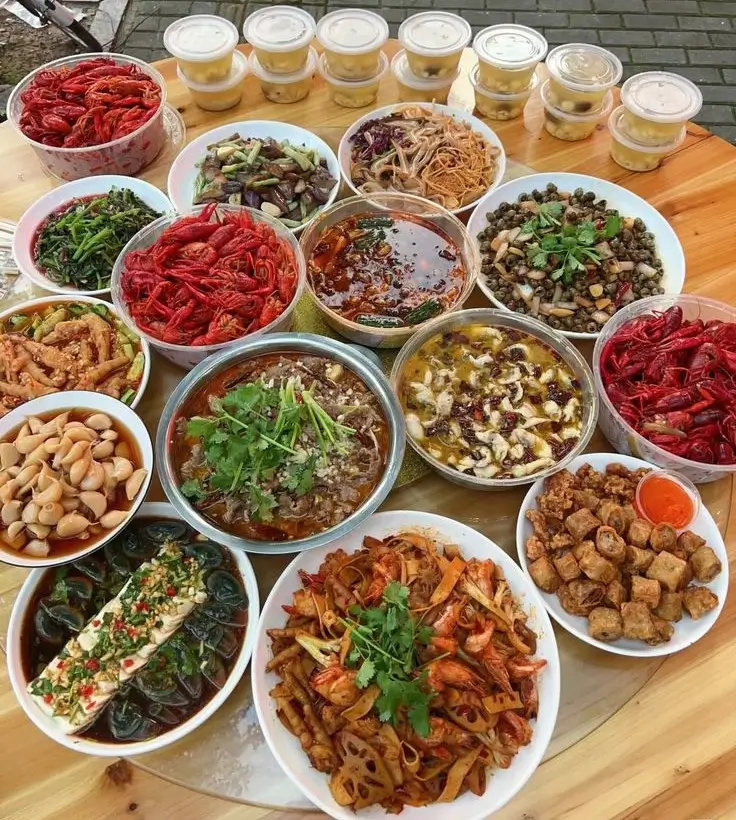
Dalam dunia seni kulinari, mencapai keseimbangan rasa yang sempurna adalah penting untuk mencipta hidangan yang benar-benar diingati. Lima rasa asas – manis, masam, masin, pahit, dan umami – memainkan peranan penting dalam menentukan profil rasa keseluruhan sesuatu hidangan. Memahami cara mengimbangkan rasa-rasa ini dalam setiap suapan boleh meningkatkan masakan anda ke tahap yang lebih tinggi dan menggembirakan selera anda. Dalam artikel ini, kita akan meneroka kepentingan mengimbangkan rasa dan memberikan petua serta teknik untuk memasukkan setiap satu daripada lima rasa ke dalam hidangan anda.
Setiap daripada lima rasa asas memainkan peranan unik dalam persepsi rasa kita. Manis sering dikaitkan dengan gula dan boleh menambah kualiti yang menyenangkan dan memuaskan kepada sesebuah hidangan. Masam pula berasal daripada asid seperti cuka atau sitrus dan boleh memberikan kontras menyegarkan kepada rasa yang kaya atau gurih. Masin meningkatkan rasa lain dan boleh membantu mengeluarkan kemanisan semula jadi bahan-bahan. Pahit menambah kerumitan dan kedalaman kepada sesebuah hidangan, mengimbangkan manis dan kekayaan rasa. Umami, yang sering digambarkan sebagai rasa gurih atau seperti daging, terdapat dalam bahan seperti kicap, cendawan, dan keju Parmesan, dan boleh menambah kualiti yang kaya dan memuaskan pada sesebuah hidangan.
Menyeimbangkan lima rasa asas dalam sesebuah hidangan adalah penting untuk mencipta profil rasa yang harmoni. Apabila rasa-rasa tersebut seimbang dengan baik, setiap rasa saling melengkapi dan meningkatkan rasa yang lain, menghasilkan pengalaman makan yang lebih kompleks dan memuaskan. Hidangan yang terlalu manis, contohnya, boleh menjadi menyengat dan membebankan, manakala hidangan yang terlalu masin boleh menjadi tidak selera. Dengan menyeimbangkan rasa manis, masam, masin, pahit, dan umami dengan teliti, anda boleh mencipta hidangan yang seimbang dan lazat.
Apabila memasukkan kemanisan ke dalam sesebuah hidangan, adalah penting untuk mempertimbangkan rasa lain yang ada dan menyesuaikannya dengan sewajarnya. Sebagai contoh, jika hidangan itu sudah agak masin, sedikit kemanisan boleh membantu mengimbangkan rasa. Bahan manis seperti madu, sirap maple, atau buah-buahan boleh menambah kedalaman dan kerumitan kepada hidangan tanpa menenggelamkan rasa lain. Mencuba pelbagai sumber kemanisan boleh membantu anda mencari keseimbangan sempurna untuk hidangan anda.
Masam boleh menambah kecerahan dan keasidan pada sesebuah hidangan, mengurangkan rasa kaya dan menambah kontras yang menyegarkan. Bahan-bahan seperti jus lemon, cuka, atau makanan fermentasi boleh memberikan rasa masam yang tajam yang dapat meningkatkan hidangan ke tahap yang lebih tinggi. Apabila memasukkan nota masam, adalah penting untuk mempertimbangkan keseimbangan keseluruhan rasa dan menyesuaikan jumlah keasidan mengikut keperluan. Sedikit keasidan boleh memberi kesan besar dalam meningkatkan keseluruhan rasa hidangan.
Garam adalah bahan asas dalam masakan yang boleh meningkatkan rasa semula jadi bahan-bahan dan menghidupkan sesebuah hidangan. Apabila digunakan dengan bijak, garam dapat membantu mengimbangkan manis, masam, dan pahit, menghasilkan profil rasa yang lebih seimbang. Adalah penting untuk meresapkan garam ke dalam hidangan sepanjang proses memasak, sambil mencuba untuk memastikan rasa seimbang dengan sempurna. Jenis garam yang berbeza, seperti garam laut atau garam kosher, juga boleh menambah rasa dan tekstur unik kepada sesebuah hidangan.
Pahit sering kali diabaikan sebagai rasa dalam masakan, tetapi ia boleh menambah kerumitan dan kedalaman pada sesebuah hidangan apabila digunakan dengan betul. Bahan seperti sayur berdaun gelap, kopi, atau coklat gelap boleh memberikan nota pahit yang mengimbangkan manis dan kekayaan rasa. Mengamalkan rasa pahit dalam masakan boleh membantu mencipta profil rasa yang lebih halus dan bernuansa. Apabila memasukkan bahan pahit, penting untuk mengimbangkannya dengan rasa lain supaya hidangan tidak menjadi terlalu pahit.
Umami, rasa asas kelima, sering digambarkan sebagai rasa gurih atau seperti daging yang menambah kedalaman dan kekayaan pada sesebuah hidangan. Bahan-bahan seperti kicap, cendawan, dan keju Parmesan kaya dengan sebatian umami dan boleh meningkatkan keseluruhan rasa hidangan. Meneroka rasa kelima umami boleh membantu mencipta hidangan yang lebih memuaskan dan berperisa. Dengan memasukkan bahan kaya umami ke dalam masakan anda, anda boleh menambah lapisan kerumitan yang meningkatkan hidangan ke tahap yang lebih tinggi.
Mencapai keseimbangan rasa yang sempurna dalam sesebuah hidangan memerlukan pertimbangan dan percubaan yang teliti. Satu teknik untuk mencapai keseimbangan ialah merasai semasa memasak, menyesuaikan perasa mengikut keperluan untuk mendapatkan profil rasa yang diingini. Teknik lain ialah melapis rasa, menambah pelbagai rasa pada peringkat memasak yang berbeza untuk membina kerumitan. Dengan menggabungkan rasa manis, masam, masin, pahit, dan umami secara terancang dan teliti, anda boleh mencipta hidangan yang benar-benar tidak dapat dilupakan.
Salah satu keseronokan memasak ialah bereksperimen dengan gabungan rasa yang berbeza untuk menghasilkan hidangan yang unik dan lazat. Dengan menggabungkan rasa manis, masam, masin, pahit, dan umami secara tidak dijangka, anda boleh menemui profil rasa baru yang menarik. Sebagai contoh, menggandingkan rasa manis dan masin boleh menghasilkan kontras yang memuaskan, manakala menggabungkan rasa masam dan umami boleh menambah kedalaman dan kerumitan. Jangan takut untuk berkreasi dan mencuba gabungan rasa baru dalam masakan anda.
Mencipta profil rasa yang harmoni dalam sesebuah hidangan melibatkan mengimbangkan lima rasa asas dengan cara yang saling melengkapi dan meningkatkan antara satu sama lain. Dengan meneliti dengan teliti rasa setiap bahan dan bagaimana ia berinteraksi antara satu sama lain, anda boleh menghasilkan hidangan yang seimbang dan lazat. Memberi perhatian kepada keseimbangan rasa manis, masam, masin, pahit, dan umami dapat membantu anda mencapai pengalaman makan yang lebih harmoni dan memuaskan.
Salah satu kunci untuk menghasilkan hidangan yang seimbang ialah menyesuaikan perasa mengikut selera sepanjang proses memasak. Mengecap semasa memasak membolehkan anda membuat penyesuaian terhadap jumlah rasa manis, masam, masin, pahit, dan umami dalam hidangan untuk mencapai keseimbangan sempurna. Jangan takut untuk bereksperimen dan percayai selera anda apabila menambah perasa pada hidangan. Dengan menyesuaikan perasa mengikut selera, anda boleh memastikan hidangan anda seimbang dengan sempurna dan lazat.
Pada akhirnya, matlamat mengimbangkan rasa manis, masam, masin, pahit, dan umami dalam setiap suapan adalah untuk menghasilkan hidangan yang seimbang dan memuaskan. Dengan menggabungkan pelbagai rasa dalam masakan anda dan memberi perhatian kepada keseimbangan perisa, anda boleh mencipta hidangan yang benar-benar diingati. Sama ada anda memasak untuk diri sendiri atau untuk orang lain, meluangkan masa untuk mencapai keseimbangan perisa yang sempurna boleh meningkatkan tahap masakan anda ke tahap yang lebih tinggi dan menggembirakan selera anda. Jadi, lain kali anda berada di dapur, ingatlah untuk mempertimbangkan lima rasa asas dan berusaha mencapai profil rasa yang harmoni dalam setiap suapan.
Penguat rasa label bersih adalah sebatian yang diperoleh daripada tumbuhan (contohnya ekstrak yis, asid amino) yang memperkuatkan umami dan rasa keseluruhan tanpa bahan kimia sintetik seperti MSG. Mereka berfungsi dengan mengikat reseptor rasa untuk meningkatkan kedalaman rasa gurih dan sensasi di mulut, memberikan kompleksiti berlapis dalam sos, sup, dan snek. .
Kemudahan RUIKELAI disahkan di bawah HACCP, ISO 22000 (Pengurusan Keselamatan Makanan) dan ISO 9001 (Pengurusan Kualiti), menunjukkan pematuhan kepada piawaian keselamatan dan kualiti makanan global. Kami juga memegang FDA FFR, memastikan kebolehjejakan penuh dan penjajaran peraturan merentasi pasaran utama. .
Melaksanakan sistem kebolehlacakan yang kukuh mengurangkan pembaziran, meningkatkan kawalan inventori, dan memperkemas proses penarikan balik dengan mendokumentasikan setiap bungkusan daripada bahan mentah hingga produk siap. Ini bukan sahaja melindungi daripada pencemaran tetapi juga meningkatkan pematuhan peraturan dan kepercayaan pengguna.
Pengawet semula jadi—seperti minyak rosemary, polifenol teh hijau, dan ekstrak thyme—menawarkan sifat antimikrob dan antioksidan tanpa residu kimia, memanjangkan jangka hayat lebih daripada 20% sambil memenuhi permintaan label bersih. Tindakan serbaguna mereka sering melebihi keberkesanan sorbat atau benzoat dalam keadaan penyimpanan sebenar.
ResearchGate.
Pengekal koloid (contohnya getah xanthan, getah guar, nano-selulosa) mengekalkan tekstur emulsi yang sekata dengan menghalang penggabungan titisan, pembentukan krim dan pemisahan fasa. Teknik mikronisasi lanjutan seterusnya meningkatkan kebolehdispersan dan rasa di mulut, memberikan kualiti yang konsisten merentasi setiap batch serta kestabilan rak yang lebih panjang.

 English English
 Chinese (China)
 Chinese (Taiwan)
 Malay
Malay Vietnamese
 Japanese
 Korean
 Indonesian
 French
 German
 Spanish
 Esperanto
 German (Switzerland)
 Kazakh
 Russian
 Turkish