

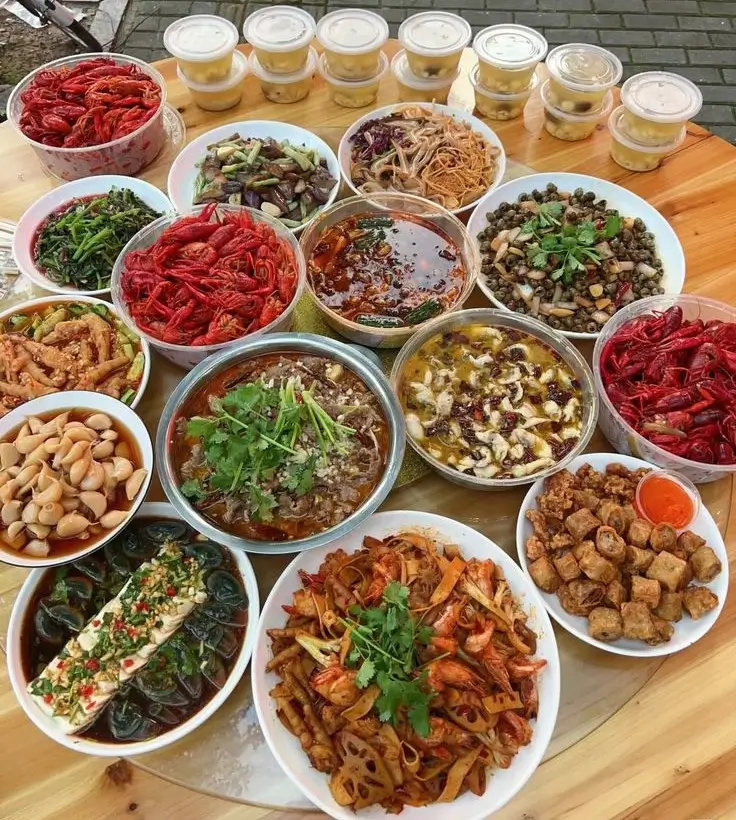
In the world of culinary arts, achieving a perfect balance of flavors is essential to creating a truly memorable dish. The five basic tastes – sweet, sour, salty, bitter, and umami – play a crucial role in determining the overall taste profile of a dish. Understanding how to balance these flavors in every bite can elevate your cooking to new heights and delight your taste buds. In this article, we will explore the importance of balancing flavors and provide tips and techniques for incorporating each of the five tastes into your dishes.
Each of the five basic tastes plays a unique role in our perception of flavor. Sweetness is often associated with sugar and can add a pleasant, indulgent quality to a dish. Sourness, on the other hand, comes from acids like vinegar or citrus and can provide a refreshing contrast to rich or savory flavors. Saltiness enhances other flavors and can help to bring out the natural sweetness of ingredients. Bitterness adds complexity and depth to a dish, balancing out sweetness and richness. Umami, often described as a savory or meaty taste, is found in ingredients like soy sauce, mushrooms, and Parmesan cheese, and can add a rich, satisfying quality to a dish.
Balancing the five basic tastes in a dish is crucial for creating a harmonious flavor profile. When flavors are well-balanced, each taste complements and enhances the others, resulting in a more complex and satisfying eating experience. A dish that is too sweet, for example, can become cloying and overwhelming, while a dish that is too salty can be unappetizing. By carefully balancing sweet, sour, salty, bitter, and umami flavors, you can create a dish that is well-rounded and delicious.
When incorporating sweetness into a dish, it’s important to consider the other flavors present and adjust accordingly. For example, if a dish is already quite savory, a touch of sweetness can help to balance out the flavors. Sweet ingredients like honey, maple syrup, or fruit can add depth and complexity to a dish without overpowering the other flavors. Experimenting with different sources of sweetness can help you find the perfect balance for your dish.
Sourness can add brightness and acidity to a dish, cutting through richness and adding a refreshing contrast. Ingredients like lemon juice, vinegar, or fermented foods can provide a tangy, sour flavor that can elevate a dish to new heights. When incorporating sour notes, it’s important to consider the overall balance of flavors and adjust the amount of sourness accordingly. A little bit of acidity can go a long way in enhancing the overall taste of a dish.
Salt is a fundamental ingredient in cooking that can enhance the natural flavors of ingredients and bring a dish to life. When used judiciously, salt can help to balance out sweetness, acidity, and bitterness, creating a more well-rounded flavor profile. It’s important to season dishes with salt throughout the cooking process, tasting as you go to ensure that the flavors are properly balanced. Different types of salt, such as sea salt or kosher salt, can also add unique flavors and textures to a dish.
Bitterness is often an overlooked taste in cooking, but it can add complexity and depth to a dish when used correctly. Ingredients like dark leafy greens, coffee, or dark chocolate can provide a bitter note that balances out sweetness and richness. Embracing bitterness in cooking can help to create a more sophisticated and nuanced flavor profile. When incorporating bitter ingredients, it’s important to balance them with other flavors to prevent the dish from becoming too bitter.
Umami, the fifth basic taste, is often described as a savory or meaty flavor that adds depth and richness to a dish. Ingredients like soy sauce, mushrooms, and Parmesan cheese are rich in umami compounds and can enhance the overall taste of a dish. Exploring the fifth taste of umami can help to create more satisfying and flavorful dishes. By incorporating umami-rich ingredients into your cooking, you can add a layer of complexity that elevates the dish to new heights.
Achieving a perfect balance of flavors in a dish requires careful consideration and experimentation. One technique for achieving balance is to taste as you cook, adjusting seasonings as needed to achieve the desired flavor profile. Another technique is to layer flavors, adding different tastes at different stages of cooking to build complexity. By combining sweet, sour, salty, bitter, and umami flavors in a thoughtful and deliberate way, you can create dishes that are truly memorable.
One of the joys of cooking is experimenting with different flavor combinations to create unique and delicious dishes. By combining sweet, sour, salty, bitter, and umami flavors in unexpected ways, you can discover new and exciting taste profiles. For example, pairing sweet and salty flavors can create a satisfying contrast, while combining sour and umami flavors can add depth and complexity. Don’t be afraid to get creative and try out new flavor combinations in your cooking.
Creating a harmonious flavor profile in a dish involves balancing the five basic tastes in a way that complements and enhances each other. By carefully considering the flavors of each ingredient and how they interact with one another, you can create dishes that are well-rounded and delicious. Paying attention to the balance of sweet, sour, salty, bitter, and umami flavors can help you achieve a more harmonious and satisfying eating experience.
One of the keys to achieving a well-balanced dish is to adjust seasonings to taste throughout the cooking process. Tasting as you cook allows you to make adjustments to the amount of sweet, sour, salty, bitter, and umami flavors in a dish to achieve the perfect balance. Don’t be afraid to experiment and trust your palate when it comes to seasoning your dishes. By adjusting seasonings to taste, you can ensure that your dishes are perfectly balanced and delicious.
At the end of the day, the goal of balancing sweet, sour, salty, bitter, and umami flavors in every bite is to create a well-rounded and satisfying meal. By incorporating a variety of tastes into your dishes and paying attention to the balance of flavors, you can create meals that are truly memorable. Whether you’re cooking for yourself or for others, taking the time to achieve a perfect balance of flavors can elevate your cooking to new heights and delight your taste buds. So next time you’re in the kitchen, remember to consider the five basic tastes and strive for a harmonious flavor profile in every bite.
Los potenciadores del sabor de etiquetado limpio son compuestos de origen vegetal (por ejemplo, extractos de levadura, aminoácidos) que amplifican el umami y el sabor en general sin productos químicos sintéticos como el glutamato monosódico. Actúan uniéndose a los receptores gustativos para potenciar la profundidad del sabor y la sensación en boca, aportando una complejidad estratificada a salsas, sopas y aperitivos. .
Las instalaciones de Ruikelai cuentan con las certificaciones ISO 22000 (gestión de la seguridad alimentaria) e ISO 9001 (gestión de la calidad), lo que demuestra el cumplimiento de las normas mundiales de calidad y seguridad alimentaria. También contamos con las certificaciones Halal y FDA FFR, que garantizan la plena trazabilidad y la armonización reglamentaria en los principales mercados. .
La implantación de sistemas de trazabilidad sólidos reduce los residuos, mejora el control de inventarios y agiliza las retiradas de productos al documentar cada lote desde la materia prima hasta el producto acabado. Esto no sólo protege contra la contaminación, sino que también mejora el cumplimiento de la normativa y la confianza del consumidor.
Los conservantes naturales -como el aceite de romero, los polifenoles del té verde y los extractos de tomillo- ofrecen propiedades antimicrobianas y antioxidantes sin residuos químicos, prolongando la vida útil en más de 20% y cumpliendo las exigencias de las etiquetas limpias. Su acción multifuncional a menudo supera la eficacia de los sorbatos o benzoatos en condiciones reales de almacenamiento.
ResearchGate.
Los estabilizadores coloidales (p. ej., goma xantana, goma guar, nanocelulosa) mantienen la textura uniforme de la emulsión evitando la coalescencia de las gotas, la formación de nata y la separación de fases. Las técnicas avanzadas de micronización mejoran aún más la dispersabilidad y la sensación en boca, proporcionando una calidad constante en todos los lotes y una mayor estabilidad de almacenamiento.

 EN
EN ZH
ZH ZH_TW
ZH_TW MS
MS VI
VI JA
JA KO
KO ID
ID FR
FR DE
DE ES
ES EO
EO DE_CH
DE_CH KK
KK RU
RU TR
TR