

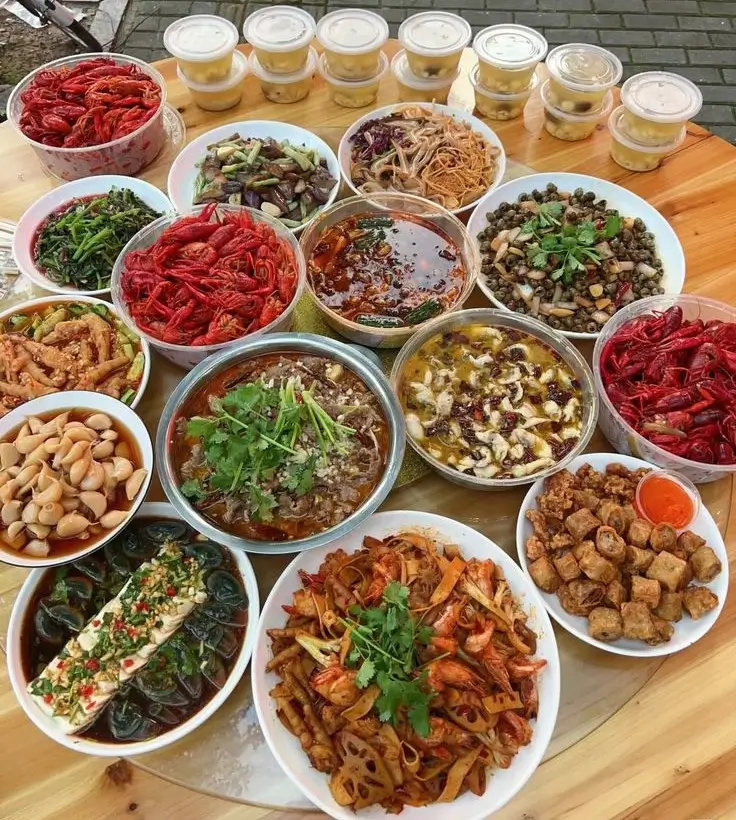
In the world of culinary arts, achieving a perfect balance of flavors is essential to creating a truly memorable dish. The five basic tastes – sweet, sour, salty, bitter, and umami – play a crucial role in determining the overall taste profile of a dish. Understanding how to balance these flavors in every bite can elevate your cooking to new heights and delight your taste buds. In this article, we will explore the importance of balancing flavors and provide tips and techniques for incorporating each of the five tastes into your dishes.
Each of the five basic tastes plays a unique role in our perception of flavor. Sweetness is often associated with sugar and can add a pleasant, indulgent quality to a dish. Sourness, on the other hand, comes from acids like vinegar or citrus and can provide a refreshing contrast to rich or savory flavors. Saltiness enhances other flavors and can help to bring out the natural sweetness of ingredients. Bitterness adds complexity and depth to a dish, balancing out sweetness and richness. Umami, often described as a savory or meaty taste, is found in ingredients like soy sauce, mushrooms, and Parmesan cheese, and can add a rich, satisfying quality to a dish.
Balancing the five basic tastes in a dish is crucial for creating a harmonious flavor profile. When flavors are well-balanced, each taste complements and enhances the others, resulting in a more complex and satisfying eating experience. A dish that is too sweet, for example, can become cloying and overwhelming, while a dish that is too salty can be unappetizing. By carefully balancing sweet, sour, salty, bitter, and umami flavors, you can create a dish that is well-rounded and delicious.
When incorporating sweetness into a dish, it’s important to consider the other flavors present and adjust accordingly. For example, if a dish is already quite savory, a touch of sweetness can help to balance out the flavors. Sweet ingredients like honey, maple syrup, or fruit can add depth and complexity to a dish without overpowering the other flavors. Experimenting with different sources of sweetness can help you find the perfect balance for your dish.
Sourness can add brightness and acidity to a dish, cutting through richness and adding a refreshing contrast. Ingredients like lemon juice, vinegar, or fermented foods can provide a tangy, sour flavor that can elevate a dish to new heights. When incorporating sour notes, it’s important to consider the overall balance of flavors and adjust the amount of sourness accordingly. A little bit of acidity can go a long way in enhancing the overall taste of a dish.
Salt is a fundamental ingredient in cooking that can enhance the natural flavors of ingredients and bring a dish to life. When used judiciously, salt can help to balance out sweetness, acidity, and bitterness, creating a more well-rounded flavor profile. It’s important to season dishes with salt throughout the cooking process, tasting as you go to ensure that the flavors are properly balanced. Different types of salt, such as sea salt or kosher salt, can also add unique flavors and textures to a dish.
Bitterness is often an overlooked taste in cooking, but it can add complexity and depth to a dish when used correctly. Ingredients like dark leafy greens, coffee, or dark chocolate can provide a bitter note that balances out sweetness and richness. Embracing bitterness in cooking can help to create a more sophisticated and nuanced flavor profile. When incorporating bitter ingredients, it’s important to balance them with other flavors to prevent the dish from becoming too bitter.
Umami, the fifth basic taste, is often described as a savory or meaty flavor that adds depth and richness to a dish. Ingredients like soy sauce, mushrooms, and Parmesan cheese are rich in umami compounds and can enhance the overall taste of a dish. Exploring the fifth taste of umami can help to create more satisfying and flavorful dishes. By incorporating umami-rich ingredients into your cooking, you can add a layer of complexity that elevates the dish to new heights.
Achieving a perfect balance of flavors in a dish requires careful consideration and experimentation. One technique for achieving balance is to taste as you cook, adjusting seasonings as needed to achieve the desired flavor profile. Another technique is to layer flavors, adding different tastes at different stages of cooking to build complexity. By combining sweet, sour, salty, bitter, and umami flavors in a thoughtful and deliberate way, you can create dishes that are truly memorable.
One of the joys of cooking is experimenting with different flavor combinations to create unique and delicious dishes. By combining sweet, sour, salty, bitter, and umami flavors in unexpected ways, you can discover new and exciting taste profiles. For example, pairing sweet and salty flavors can create a satisfying contrast, while combining sour and umami flavors can add depth and complexity. Don’t be afraid to get creative and try out new flavor combinations in your cooking.
Creating a harmonious flavor profile in a dish involves balancing the five basic tastes in a way that complements and enhances each other. By carefully considering the flavors of each ingredient and how they interact with one another, you can create dishes that are well-rounded and delicious. Paying attention to the balance of sweet, sour, salty, bitter, and umami flavors can help you achieve a more harmonious and satisfying eating experience.
One of the keys to achieving a well-balanced dish is to adjust seasonings to taste throughout the cooking process. Tasting as you cook allows you to make adjustments to the amount of sweet, sour, salty, bitter, and umami flavors in a dish to achieve the perfect balance. Don’t be afraid to experiment and trust your palate when it comes to seasoning your dishes. By adjusting seasonings to taste, you can ensure that your dishes are perfectly balanced and delicious.
At the end of the day, the goal of balancing sweet, sour, salty, bitter, and umami flavors in every bite is to create a well-rounded and satisfying meal. By incorporating a variety of tastes into your dishes and paying attention to the balance of flavors, you can create meals that are truly memorable. Whether you’re cooking for yourself or for others, taking the time to achieve a perfect balance of flavors can elevate your cooking to new heights and delight your taste buds. So next time you’re in the kitchen, remember to consider the five basic tastes and strive for a harmonious flavor profile in every bite.
清潔標籤增味劑是源自植物的化合物(如酵母萃取物、氨基酸),可增強鮮味和整體味道,而不含味精等合成化學物質。它們透過與味覺受體結合來提升鹹味的深度和口感,在醬汁、湯品和零食中提供多層次的複雜性 .
Ruikelai 的設施已通過 ISO 22000(食品安全管理)和 ISO 9001(品質管理)認證,證明符合全球食品安全和品質標準。我們還擁有 Halal 和 FDA FFR 認證,可確保主要市場的完全可追溯性和監管一致性。 .
實施健全的可追蹤性系統可減少浪費、加強庫存控制,並透過記錄從原料到成品的每個批次,簡化回收程序。這不僅能防止污染,還能提高法規遵循性和消費者信任度。.
天然防腐劑 (例如迷迭香油、綠茶多酚和百里香萃取物) 具有抗菌和抗氧化特性,且無化學殘留物,可延長保質期 20% 以上,同時滿足清潔標籤的需求。在實際的儲存條件下,它們的多功能功效往往超越山梨酸鹽或苯甲酸鹽。
ResearchGate.
膠體穩定劑 (例如黃原膠、瓜爾豆膠、奈米纖維素) 可防止液滴凝聚、起泡和相分離,以維持均勻的乳液質感。先進的微粉化技術可進一步增強分散性和口感,提供穩定的批次品質,並延長保質期。.

 EN
EN ZH
ZH ZH_TW
ZH_TW MS
MS VI
VI JA
JA KO
KO ID
ID FR
FR DE
DE ES
ES EO
EO DE_CH
DE_CH KK
KK RU
RU TR
TR